
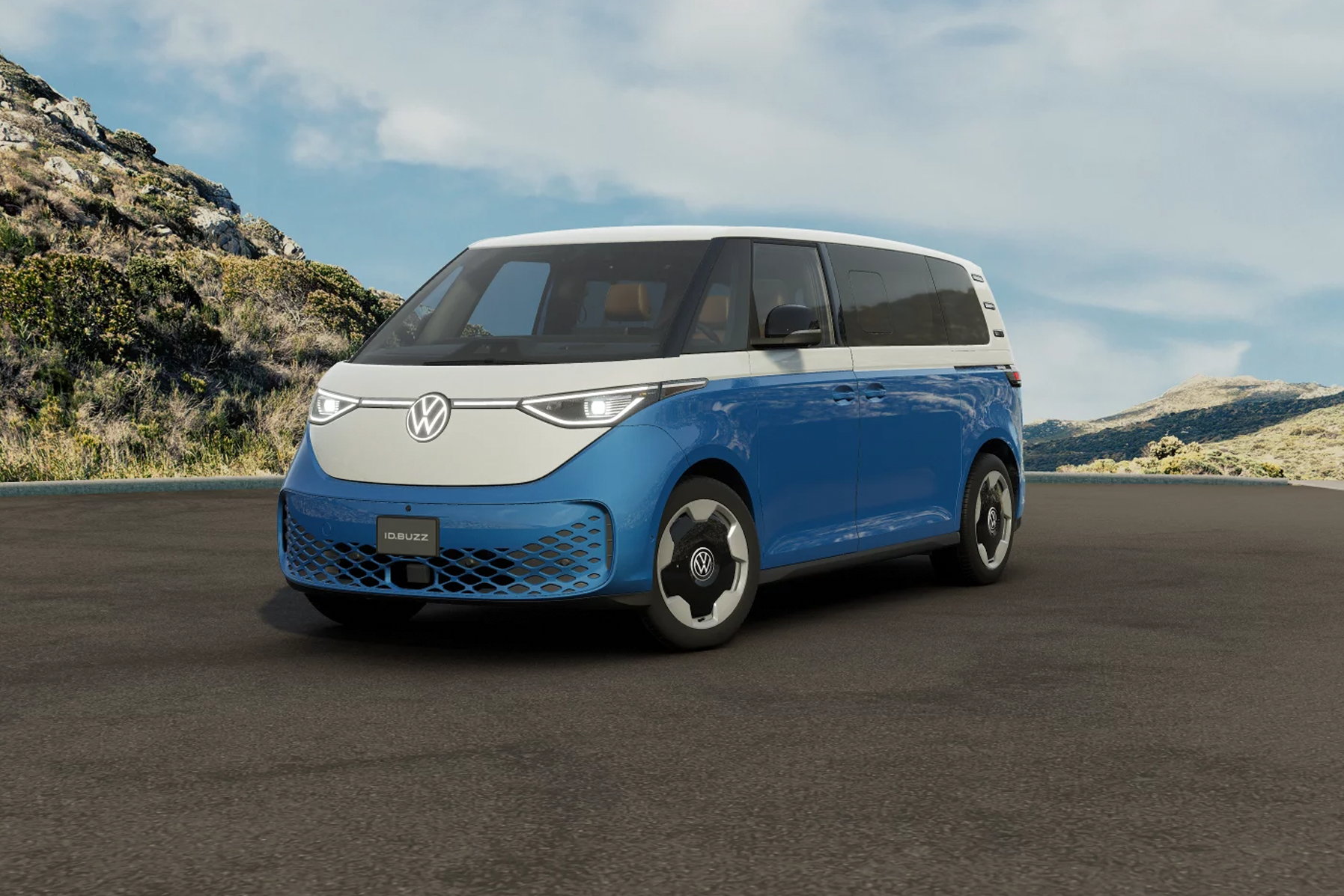
VW tightens the belt, pauses the ID. Buzz in the U.S., Audi doubles down on identity, and MINI makes EV life easier—here’s what it really means for drivers and the aftermarket.
1) Volkswagen’s “do more with less” era isn’t a slogan anymore—it’s the product plan
The most important Volkswagen Group news this week wasn’t a shiny reveal—it was leadership telling the quiet truth out loud: the cost-cutting continues. At a Berlin management meeting, VW leadership emphasized tighter structures, higher EV margins, and lower fixed costs as non-negotiables heading into 2026. Translation: fewer distractions, fewer “nice-to-haves,” and a lot more pressure for every program to justify its existence. See Reuters reporting on VW continuing aggressive cost-cutting.
For enthusiasts, this lands in a strangely practical place. When manufacturers start pruning complexity, they tend to consolidate trims, packages, and component variations. That can be frustrating if you love oddball spec sheets—but it can also stabilize platforms. Stable platforms create predictable fitment cycles, and predictable fitment cycles are where thoughtful aftermarket engineering thrives. When the factory stops reinventing the wheel every model year, you can actually perfect the wheel.
The tell: VW isn’t talking like a company that wants to win by flooding the market with experiments. It’s talking like a company that wants to win by getting disciplined—then scaling what works. If you build parts for these cars, that’s not bad news. It’s the market quietly agreeing to stop changing the rules mid-race.
2) The ID. Buzz pause is a reminder that “beloved” doesn’t always mean “bought”
The most emotionally loud headline: Volkswagen plans to halt exports of the ID. Buzz to the U.S. in 2026. The reasons are brutally modern—weak sales, pricing/range pushback, and shifting EV economics after incentives changed. In other words, nostalgia can get people to a showroom… but not always to a signature. Read The Wall Street Journal on VW pausing ID. Buzz exports to the U.S. in 2026.
Here’s the bigger insight: the ID. Buzz is the poster child for a problem many OEMs are wrestling with right now—EVs that are “cool” but don’t land cleanly on the value equation. When incentives tighten and buyers start doing math again, the market punishes anything that feels like a lifestyle tax. That pushback doesn’t just impact one model; it influences how VW Group designs the next wave of EVs, how they price them, and how conservative they get with option structures.
For the aftermarket, this is a classic moment where owners keep cars longer and look for upgrades that make daily life better. If new-car economics get weird, the upgrade economy often gets interesting. People don’t always want “more power.” Sometimes they want fewer compromises: better ride control, smarter wheel/tire choices, better brake feel, and parts that make the vehicle feel finished—like it should have from day one.
3) A do-not-drive wheel warning is the least fun headline—and the most relevant to our world
Nothing says holiday cheer like a do-not-drive notice. Volkswagen issued a do-not-drive warning on a tiny batch of vehicles because wheels could loosen and potentially detach—an issue tied to wheel fasteners. It’s the kind of headline that makes everyone suddenly remember torque specs exist for a reason. See Kelley Blue Book’s summary of VW’s do-not-drive warning over loose wheels.
The takeaway isn’t “panic.” The takeaway is accountability: modern vehicles—EVs and ICE alike—are less tolerant of sloppy hardware practices. Higher curb weights, different torque strategies, tighter NVH targets, and more aggressive stability systems all make the wheel/tire/brake interface more critical than ever. That’s the intersection the aftermarket lives in, whether we’re talking lightweight wheels to reduce unsprung mass, brake packages designed to manage heat, or fitment choices that keep scrub radius and clearance sane.
If you’re an enthusiast, the lesson is simple and unsexy: install quality hardware, follow proper procedures, and re-check torque. If you’re an aftermarket brand, the lesson is sharper: the bar is rising. The next era isn’t “bolt-on culture.” It’s engineering culture—measured, documented, repeatable. The fun is still there. The margin for error just isn’t.
4) Audi is tightening its identity—on track, in design, and in the showroom
Audi had a week that looks quiet until you connect the dots. On the motorsport side, Audi’s future F1 leadership continues to project long-horizon confidence—framing the program as a foundation build with serious backing rather than a quick vanity play. Read Reuters on Audi’s F1 project and long-term expectations.
On the design/industry side, a U.S. tech firm partnered with Audi Group in a deal involving Italdesign—an engineering and design name with deep VW Group roots. That matters because “design” now includes digital product, manufacturing systems, and how quickly a company can translate ideas into production reality. See Reuters on the Italdesign partnership involving Audi Group.
Then there’s the showroom reality: Audi is simplifying lineups on key models, consolidating trims and bundling more features into fewer choices. It’s cleaner for buyers—and a signal that Audi wants fewer build combinations to manage as the industry gets more cost-sensitive. Details via Car and Driver on Audi consolidating 2026 S3 and Q3 trims.
For enthusiasts and tuners, the “fewer trims” trend is a mixed bag: you lose some niche configurations, but you gain a more predictable baseline. Predictable baselines are gold—especially when you’re developing parts that need to clear brakes, fit suspension geometry correctly, and work across a wide owner base without a spreadsheet of exceptions.
5) MINI quietly delivered the most owner-friendly EV update of the week
In a week of austerity and caution, MINI delivered something refreshingly practical: expanded charging access. MINI is now promoting Tesla Supercharger access (with an approved adapter) for its EV drivers, with the electric Countryman SE positioned as the current beneficiary of that wider network. See MINI USA’s official page highlighting Tesla Supercharger access, plus MotoringFile’s coverage of Countryman SE Supercharger access.
This matters more than people admit. Charging friction is one of the biggest reasons EV curiosity doesn’t become EV ownership. When you widen the “where can I charge?” map, you widen the kinds of trips people take, the places they’re willing to live with an EV, and the confidence they feel buying one in the first place.
And yes, it matters to the aftermarket too—because once people road-trip an EV, they start caring about efficiency and feel. Wheel weight, rolling resistance, brake feel, and suspension tuning become quality-of-life upgrades, not track-day fantasies. In NEUSPEED’s world, that’s familiar territory: real performance isn’t just peak numbers. It’s how the car behaves every mile, every day.
- VW cost discipline points to fewer variants and longer-lived platforms—good for predictable fitment and deeper aftermarket development.
- ID. Buzz pause shows the market is done paying a premium for “vibes” without value; owners may shift spend from new purchases to meaningful upgrades.
- Wheel safety headlines reinforce that hardware quality and installation precision aren’t optional anymore.
- Audi simplification suggests fewer build permutations—less chaos for owners, and often cleaner development targets for parts.
- MINI charging access reduces EV friction, which increases EV adoption—and expands the audience for smart, efficiency-minded upgrades.